


SWOFON Launches Gender-Responsive Agriculture Policy Brief in Anambra
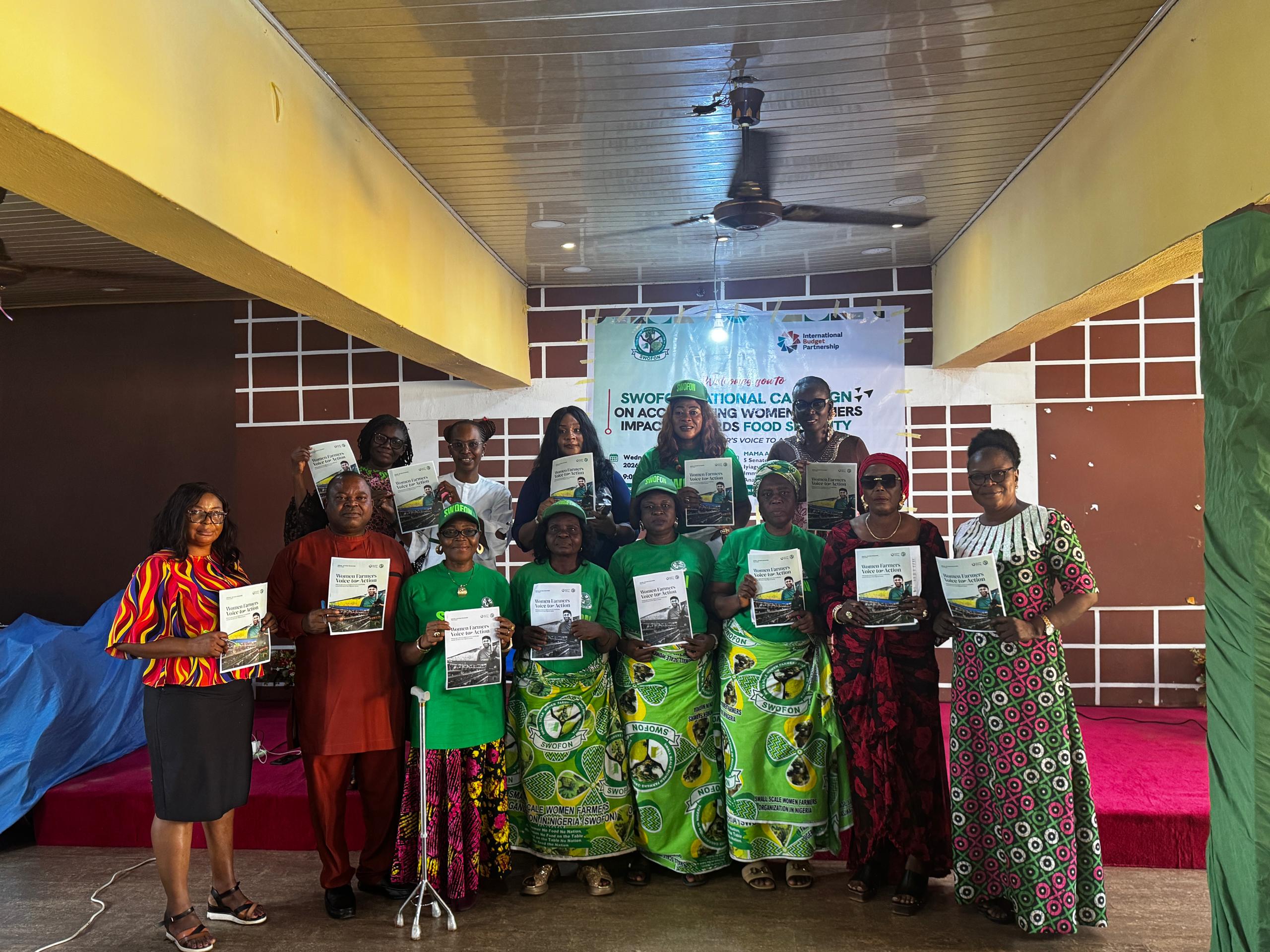
The Smallholder Women Farmers Organisation in Nigeria (SWOFON), Anambra State Chapter, has launched a policy brief advocating gender-responsive agricultural policies, increased budgetary allocations and improved access to resources for women farmers as part of efforts to strengthen food security.
The policy brief was unveiled in Awka during SWOFON’s national campaign themed “Women Farmers: Voice to Action,” which seeks to amplify the priorities of smallholder women farmers and secure concrete commitments from government and development partners on agricultural policy, budgeting and implementation.
Speaking at the event, SWOFON Anambra State Coordinator, Mrs Georgina Akunyiba, said the campaign was designed to present the organisation’s policy recommendations while ensuring that the voices of women farmers influence government decisions.
“We are here to present the key findings and recommendations from SWOFON’s policy brief and amplify the voices and priorities of smallholder women farmers on agricultural policy, budgeting and implementation,” she said.
Akunyiba called for the adoption of gender-responsive agricultural policies, adequate funding and improved delivery of agricultural services to women farmers across the state.
In a goodwill message, the Country Director of the International Budget Partnership (IBP), Dr Yinka Babalola, represented by Programme Coordinator, Mrs Lilian Ibe, described smallholder women farmers as the backbone of Nigeria’s food system despite the challenges limiting their productivity.
She said women constitute about 70 per cent of Nigeria’s agricultural workforce and contribute nearly 80 per cent of the nation’s food production, stressing that public investment should reflect their immense contribution.
Babalola commended SWOFON for empowering women to participate in budget hearings and present Charters of Demands since 2018, but noted that participation alone does not guarantee meaningful impact.
“Participation is a precondition for influence. It is not the same thing as influence,” she said, urging governments to ensure timely release and implementation of approved agricultural budgets.
Responding, the Anambra State Government reaffirmed its commitment to supporting women farmers.
Representing the Commissioner for Agriculture, Dr Ben Chuks Odoemena, the Head of Department in the ministry, Mrs Ifeoma Nwafor, described women as the foundation of both the family and national food security.
“With SWOFON, women are feeding the nation. We will continue to support women farmers because they are the backbone of our society,” she assured.
The Ministry of Women Affairs, represented by Mrs Ifeoma Ezoka on behalf of Commissioner Mrs Esther Onyekesi, pledged to continue promoting programmes that empower women and improve their livelihoods.
Also, the Ministry of Budget and Economic Planning, represented by Mrs Obianamma Orji, promised sustained support for responsive budgeting initiatives that enhance the welfare of women farmers.
At the local government level, the Head of Agriculture and Natural Resources in Nnewi North, Mr Cajetan Ajanobi, announced plans to include eligible SWOFON members in the council’s farmer empowerment register from next year.
He assured the women that SWOFON would be specifically considered in future agricultural interventions and empowerment programmes.
The State Manager of the Small and Medium Enterprises Development Agency of Nigeria (SMEDAN), Mrs Chito Onuzulike, said the agency would deepen its partnership with SWOFON through agro-processing and women entrepreneurship initiatives under its Women in Self Employment Programme (WISE-P).
Representing the SWOFON National Secretariat, Mrs Chika Orji said the organisation remained committed to ensuring that the demands of smallholder women farmers translate into concrete government policies, budgetary commitments and improved access to land, finance, farm inputs, extension services and markets.
She urged governments at all levels to implement agricultural policies and budgets in ways that directly benefit women farmers at the grassroots.
The event concluded with the official launch of the gender-responsive agriculture policy brief, a panel discussion and a press briefing where SWOFON members shared testimonies on the impact of the International Budget Partnership’s interventions on their farming activities and livelihoods.