




WACCPS Moves to Train Clinical Physiologists as Specialists

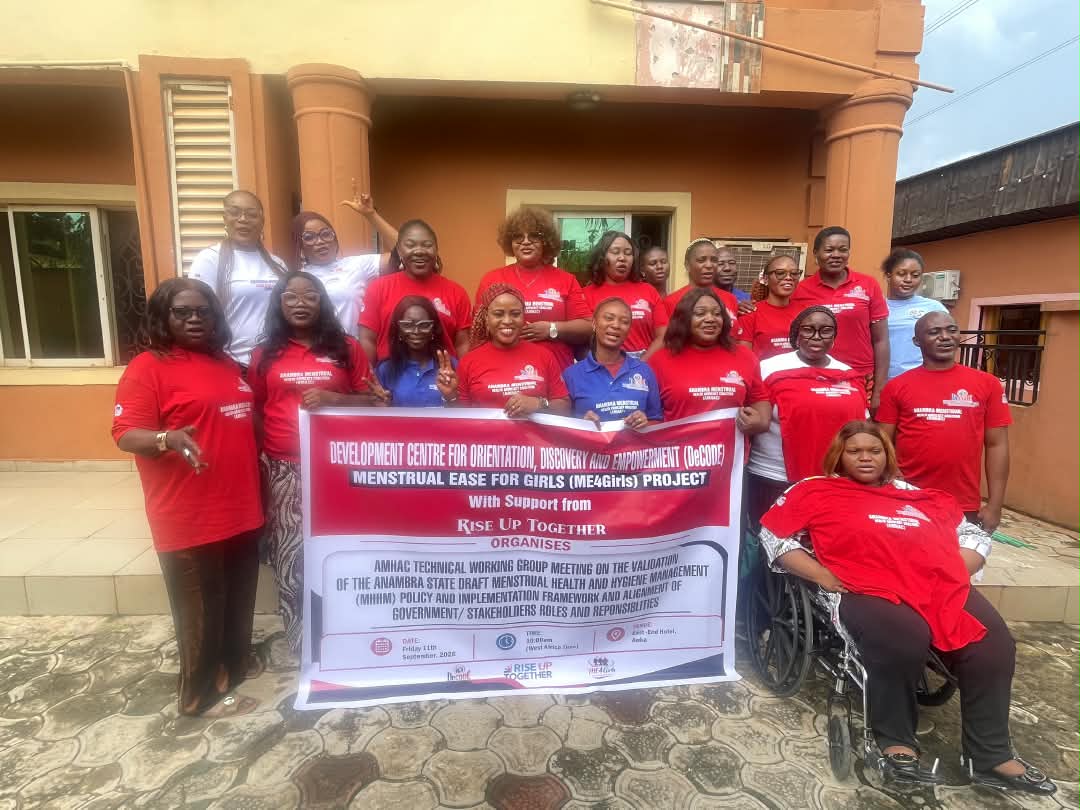
Cross section of members of the West African College of Clinical Physiology Sciences (WACCPS) after a meeting in Awka, Anambra State
The West African College of Clinical Physiology Sciences (WACCPS) has reiterated its commitment to training specialized professionals in the field of Clinical Physiology Sciences.
WACCPS is a specialized professional training institution dedicated to promoting excellence in clinical physiology practice, education, and research across West Africa. The College strives to uphold the highest standards of clinical physiology, foster collaboration and innovation, and improve healthcare outcomes for the people of the region.
The primary aims and objectives of WACCPS include developing and delivering bespoke educational programs and creating comprehensive, evidence-based professional training initiatives tailored to the nuanced needs of clinical physiologists.
These programs prioritize clinical proficiency, adherence to high standards, and patient-centered care.
Additionally, the College offers specialized guidance and support to healthcare institutions, academic bodies, and professional organizations, focusing on optimizing clinical physiology practice and enhancing patient outcomes.
Speaking to journalists after a meeting in Awka, Emeritus Professor Aloamaka Chukwuemeka Peter, Provost of WACCPS, stated that the purpose of the institute is to advance knowledge in Clinical Physiology Sciences within Nigeria and West Africa.
“This meeting is intended to advance the knowledge of Clinical Physiology Sciences and elevate the profession to a level where graduates become job creators rather than job seekers. Our goal is to achieve excellence and ensure that the quality of training enhances both medical education and healthcare delivery,” he said.
Professor Aloamaka emphasized that admission into the institute requires candidates to be graduates in the field of Clinical Physiology Sciences.
He further disclosed that the College offers various specializations, including renal, neuro, and cardiovascular physiology.
He added that the institute is structured to ensure graduates are well-prepared to address healthcare challenges in the country.
“Training programs range from 12 to 48 months, followed by fellowship training,” he explained.
Okeke Ugochukwu Ifeanyi, National President of the Professional Association of Practicing Clinical Physiologists in Nigeria and Professional Program Development Advisor, highlighted efforts to achieve these goals through partnerships with medical centers equipped with advanced facilities and technology.
According to him, the institute also collaborates with universities that have strong Clinical Physiology Sciences departments. “We are working to meet international standards for training. Prospective trainees must first graduate in Clinical Physiology Sciences before proceeding to primary training. Afterward, they advance to the membership cadre, where specialization occurs. Our training is predominantly practical, complemented by academic instruction,” he stated.
He expressed the institute’s ambition to become one of the leading Clinical Physiology Sciences institutions in Nigeria and West Africa. He also urged universities offering Clinical Physiology Sciences programs to intensify clinical postings to enhance students’ practical skills.
Professor Nwankwo Azubuike Amakwe, Director of Research and Innovation at WACCPS and Deputy Provost of Medical Sciences at Abia State University, underscored the institute’s focus on practical training.
Amakwe said, “The best gift we can give to younger professionals is practical, professional training that empowers them to create jobs rather than merely seek employment.”
He also called on government agencies to partner with the institute to realize this vision.
Professor Vincent Ugochukwu Igbokwe, Chair of Research Ethics and Compliance at WACCPS, described the institute as a well-conceived entity designed to advance Clinical Physiology Sciences significantly.
He noted, “Universities have long complained about inadequate equipment, and the institute is addressing this gap by partnering with standard hospitals and institutions. What we receive from universities is often limited knowledge; this institute focuses on true professionalization. We are committed to providing the best possible service to society.”
Dr. Nwoke Ernest Onyebuchi, Liaison Officer for Edo State at WACCPS and a medical doctor, described Clinical Physiology Sciences institute as critical to the health sector.
He urged medical doctors to partner with the institute.
“Medical doctors need Clinical Physiology Sciences expertise to function effectively in the country. Unfortunately, in Nigeria, doctors often perform multiple roles that could be better managed by specialized physiologists.”It will be heartwarming to see students graduate in Clinical Physiology Sciences and become fully professionalized. This is a positive development that deserves adequate attention and support” he added.